

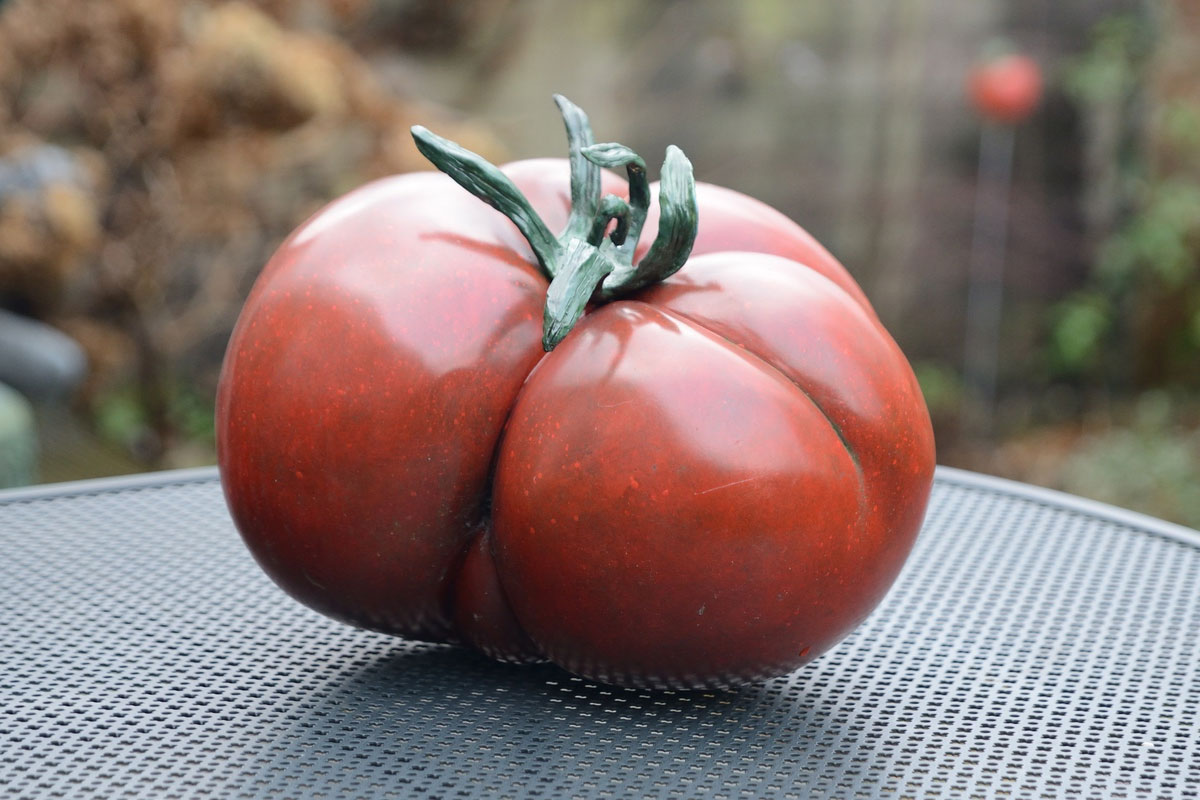
Sculptural Bronze Art: Timeless Craft & Artistic Expression.
Exploring the depth, discipline, and enduring appeal of bronze as a fine art medium
Bronze has held a place of honor in artistic expression for thousands of years, admired for its strength, warmth, and ability to capture detail with remarkable precision. From ancient civilizations to modern galleries, bronze continues to serve as a powerful medium through which artists communicate form, movement, and emotion. Today, sculptural bronze art stands as a bridge between classical tradition and modern creativity, offering works that feel both enduring and relevant.
Bronze sculpture is not merely about shaping metal; it is about translating ideas into lasting physical form. The process requires patience, technical mastery, and a deep understanding of proportion and balance. Artists often begin with sketches or clay models, refining every curve and contour before the casting process begins. This attention to detail ensures that the final piece carries both artistic intent and structural integrity.
What makes bronze particularly compelling is its ability to age gracefully. Over time, bronze develops a natural patina that adds character and depth, making each piece unique. This evolving surface quality enhances the emotional resonance of the sculpture, allowing it to tell a story not just through shape, but through time itself. Collectors and art enthusiasts value bronze works not only for their visual impact, but also for their longevity and investment value.
In contemporary spaces, bronze sculptures serve as striking focal points. Whether displayed in private collections, public installations, or architectural settings, they bring a sense of permanence and sophistication. The versatility of bronze allows it to adapt to abstract, figurative, and minimalist styles alike. This adaptability has kept bronze relevant even as artistic trends continue to evolve.
Another defining aspect of bronze sculpture is its tactile presence. Unlike digital or purely visual art forms, bronze invites viewers to experience weight, texture, and scale. Even when not physically touched, the visual suggestion of mass and solidity creates a powerful sensory impression. This physicality connects the viewer more deeply to the work, fostering a sense of intimacy and respect for the craftsmanship involved.
Artists who work with bronze often draw inspiration from nature, human emotion, and philosophical themes. The medium’s resilience mirrors many of these subjects, making it an ideal choice for expressing ideas related to endurance, transformation, and legacy. Each finished sculpture becomes more than an object; it becomes a statement of artistic vision and discipline.
In the world of fine art, bronze remains a symbol of mastery. It demands commitment from the artist and appreciation from the viewer. For those seeking art that transcends trends and retains meaning over generations, sculptural bronze art continues to be a compelling choice.
Conclusion
Bronze sculpture represents the perfect harmony between tradition and innovation, offering artworks that are both visually striking and enduring in value. Through skilled craftsmanship and thoughtful design, artists bring stories and emotions to life in metal. For collectors and admirers seeking timeless artistic expression, the work of Art by Lothar, exemplifies how bronze can transform creative vision into lasting legacy.
Frequently Asked Questions
Q1. What makes bronze a popular material for sculpture?
Bronze is durable, versatile, and capable of capturing fine details, making it ideal for
long-lasting and expressive sculptures.
Q2. How long do bronze sculptures last?
With proper care, bronze sculptures can last for centuries, developing a natural patina that
enhances their character over time.
Q3. Are bronze sculptures suitable for outdoor display?
Yes, bronze is highly resistant to weather and environmental conditions, making it
well-suited for outdoor installations.
Q4. Does the patina affect the value of a bronze sculpture?
In most cases, a well-developed patina adds aesthetic appeal and can enhance the overall
value of the artwork.
Q5. How should bronze sculptures be maintained?
Minimal maintenance is required; occasional gentle cleaning and protective waxing help
preserve the surface and finish.